Repiping Old Pipes in Paddington
Repiping Paddington homes is what happens when the patching era ends: the worn supply lines come out and new pipe goes in, either the whole house at once or one wing at a time. Most of the housing here predates 1940, and decades of patchwork plumbing catch up with it eventually. Every job is done by a licensed plumber, and you get a fixed quote before any work starts.
If we're late, $100 comes off your bill

- Licensed and InsuredEvery job done by a licensed plumber. QBCC No: 15024607
- Fixed Quote FirstFlat-rate pricing, agreed before any work starts
- Lifetime Labour WarrantyBacked by our Fix-It-or-It's-Free guarantee (T&Cs apply)
- $0 Call-Out FeesNo extra charge for nights, weekends or public holidays

One leaking joint is a repair, and our water pipe repairs page deals with it. A worn-out run is different, and a full burst pipe emergency is often the moment the state of the lines becomes obvious. Water you cannot see escaping is worse again, and leak detection finds it before it floods a floor void.
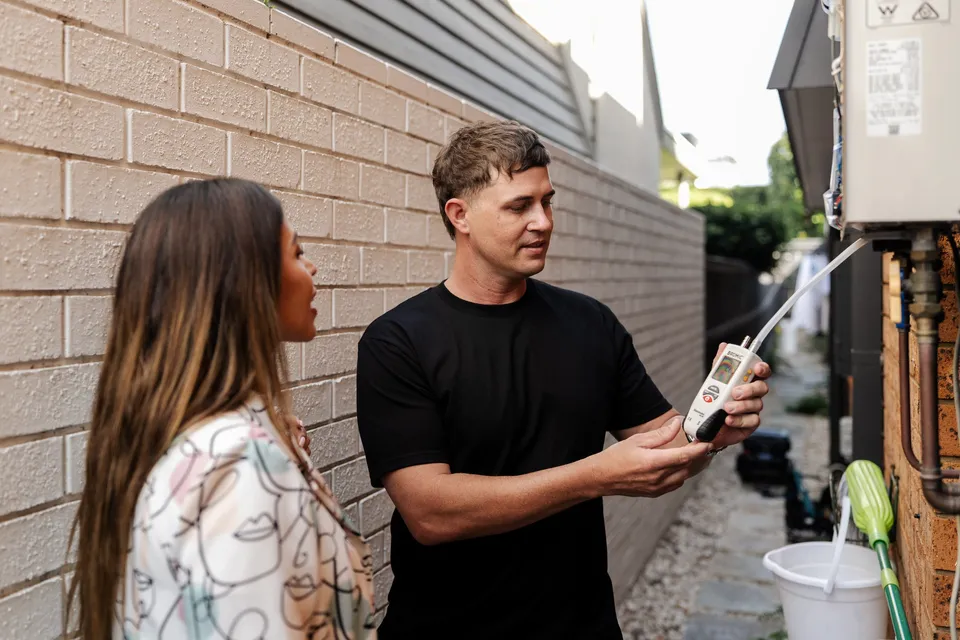
Galvanised and Early Copper Pipes in Older Homes
Repair makes sense while the pipe is sound and the leak is a one-off; replacement wins when leaks return along the run, the water runs brown, or flow drops at multiple taps together. Two old materials sit behind those symptoms: galvanised steel, and copper assembled with lead solder, which was standard across Australia until 1989.
Galvanised steel is a steel pipe with a zinc coating, and that coating corrodes from the inside as the pipe ages. The rust narrows the bore, starves the taps and colours the water. Weak pressure everywhere in the house, rather than at one fixture, is the classic clue.
Age and condition matter more than any single symptom. Cottages older than the 1927 water tower were often plumbed in stages, so galvanised stubs survive bolted to later copper, and the mixed-metal join corrodes fastest of all. Sediment from those old lines also settles in the base of hot water tanks, which is one reason the systems in this suburb fail early.
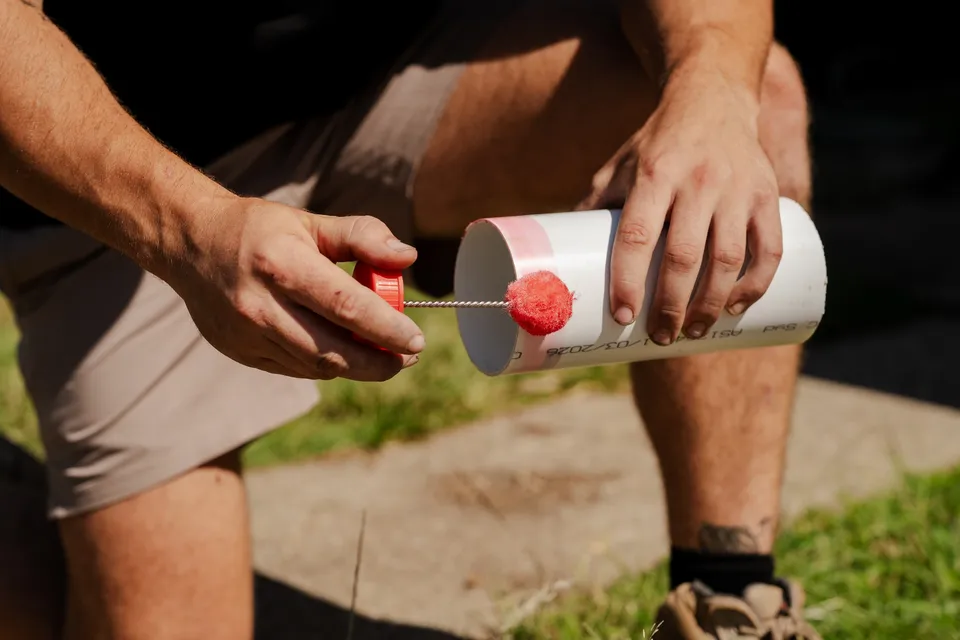
Paperwork After a Repipe in Queensland
The paperwork list is short. Queensland files a repipe of a standing home under notifiable work, so council issues no permit for it. Your plumber reports the job to the QBCC on a Form 4, lodged inside ten business days of completion, and your copy comes with it.
Your rights as the owner come from the same rules:
- Ask the QBCC for your Form 4 any time, including when you expected one and it never arrived.
- The QBCC's online registers let you check a licence and search your address for lodged forms.
- Council can be contacted at any stage of the work to request an inspection.
- For twelve months after the completion notice reaches the QBCC, the council can send an inspector to check the job against the code, with your consent.
If the Form 4 never turns up, or the work seems defective or non-compliant, the QBCC takes complaints through a form on its website. Some apartment renovations are complex enough to need a local government permit, so unit owners confirm the category with their plumber first.
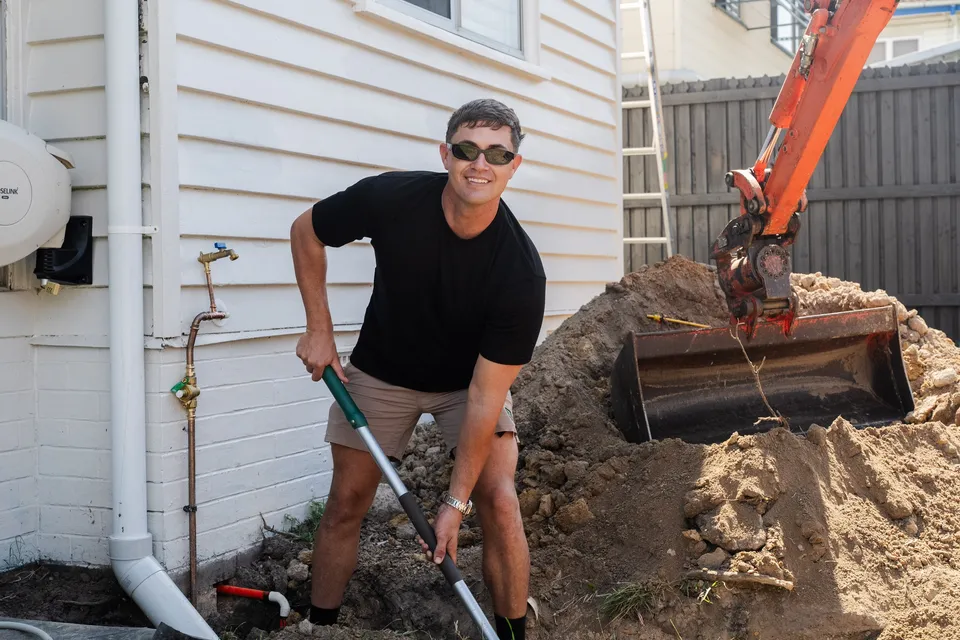
What Replaces Galvanised and Old Copper Pipe
The replacement options are copper and PEX (cross-linked polyethylene). Copper is the rigid metal choice; PEX is the flexible plastic one, and the plumber selects by where each run travels. Anything installed has to be a product approved under the Act for plumbing, and the finished job has to satisfy the code.
The Regulation draws a line that matters here. A pipe carrying water inside your premises is a supply pipe, and where your supply pipe meets Urban Utilities' network is the connection point. A repipe stays on your side of that line, which is why the utility plays no part in it.
What to Expect While Pipes Are Replaced
- 1

Inspect first
The plumber checks the existing lines to decide which need renewal and which have life left. Access is opened wherever the pipes hide: wall cavities, floor spaces or under the stumps.
- 2

Build beside the old
The new line is assembled next to the existing one, so the house keeps water for much of the job. In a cottage on stumps, that often means threading through the timber-floor void where the mixed-metal junctions hide.
- 3
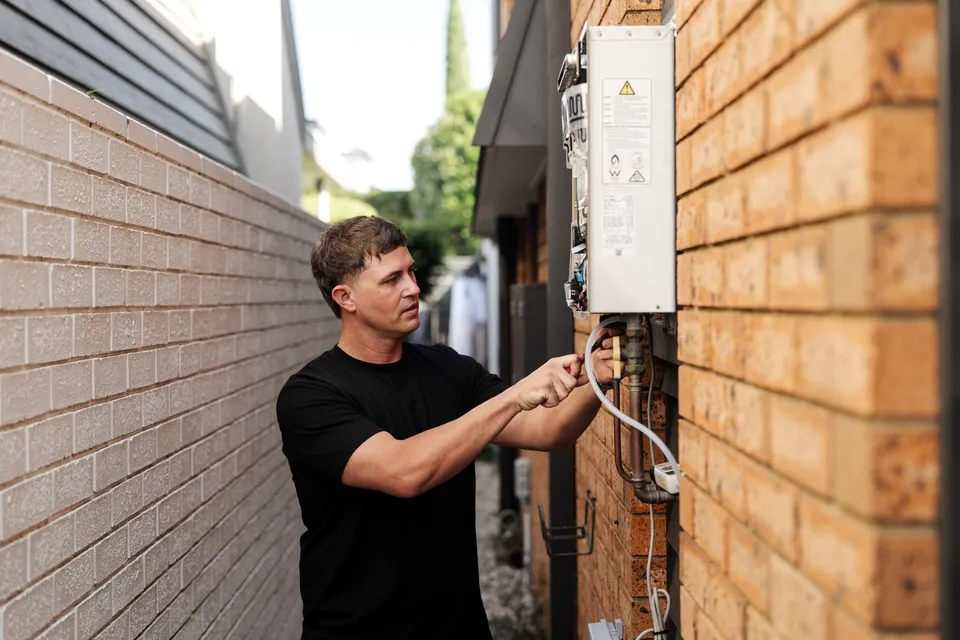
Connect and test
The supply is shut off while the new pipework is tied in. Every joint and fixture is then pressure-tested for leaks before the job closes out. Staged work suits these cottages. Area-level figures show growth of 6.4 per cent over the five years to 2025, with 814 dwellings approved in that stretch and only 5 in 2021-22, so renovation keeps rolling through the same pre-1940 stock. Repiping Paddington houses one section at a time spreads the cost and disruption across those upgrades. The cottages along Rockbourne Terrace carry the pattern: a bathroom that looks new often feeds from lines patched across three eras of plumbing.
Plumbing job in Paddington?
$0 call-out fees, available 24/7, and same-day where we can.
How We Carry Out a Repipe
- 1

Call or message us
Ring (07) 3523 6484 or use the form and describe what's going on in Paddington. A few details up front mean the right gear comes on the first trip.
- 2

We trace the runs before quoting
The visit starts under the floor and behind the fixtures. We follow every run, note where galvanised still meets copper, check which sections have life left, and map a whole-house or staged plan to suit the cottage.
- 3
Fixed quote, then the work
We give you a fixed quote before any work starts. It's flat-rate pricing with no hidden fees, and we only start once you approve it.
- 4
Settle up your way
Card and EFTPOS payment on site when the job's finished, or Fix now, pay later if that suits you better.
Repiping Questions From Paddington Locals
Call (07) 3523 6484How do I know if my water pipes need replacing?
Watch for leaks that keep coming back on one run, brown or rust-coloured water, and weak flow from several taps at once. Galvanised steel, or copper assembled with lead solder before 1989, sits behind most of these signs. A licensed plumber inspects the lines to confirm.
Does repiping a house need a permit in Queensland?
No. Queensland files this job as notifiable work, so council issues no permit for a standing home. Your plumber reports it to the QBCC on a Form 4 inside ten business days of finishing, and your copy comes with it. Unit owners should raise the category with their plumber, since some apartment jobs step up to a permit.
Can I replace my own water pipes in Paddington?
No, the law rules it out. A full repipe counts as notifiable work and even a one-off pipe repair counts as minor work, and a licensed plumber must do both. The QBCC's list of unregulated tasks is brief and contains no pipework.
What materials replace old galvanised pipes?
Copper, the rigid metal option, and PEX, a flexible plastic, are the standard picks, chosen by where the pipe travels. Anything fitted has to be a product approved under the Act for plumbing.
How long does repiping take in Paddington?
The duration is set by the home's size, how many fixtures need reconnecting, the pipe length, access through wall cavities, floor spaces or under the stumps, and whether the job is staged. A fixed quote sets out the scope before work begins.

Call Us About Repiping in PaddingtonWe'll call you back.
Book on (07) 3523 6484 for plumbing anywhere in Paddington. We're available 24/7, there's no extra charge for nights, weekends or public holidays, and every job comes with $0 call-out fees.
To claim your $0 call-out fee, call (07) 3523 6484 today.